
 English
The European Union is moving from voluntary guidelines to mandatory disclosure for data centers. In July 2026, the European Commission published a revised draft of its Delegated Regulation establishing a mandatory EU-wide sustainability rating scheme and electronic label for data centers. The regulation supplements the Energy Efficiency Directive (Directive (EU) 2023/1791) and forms part of a broader Data Centre Energy Efficiency Package aimed at achieving carbon-neutral data centers by 2030.
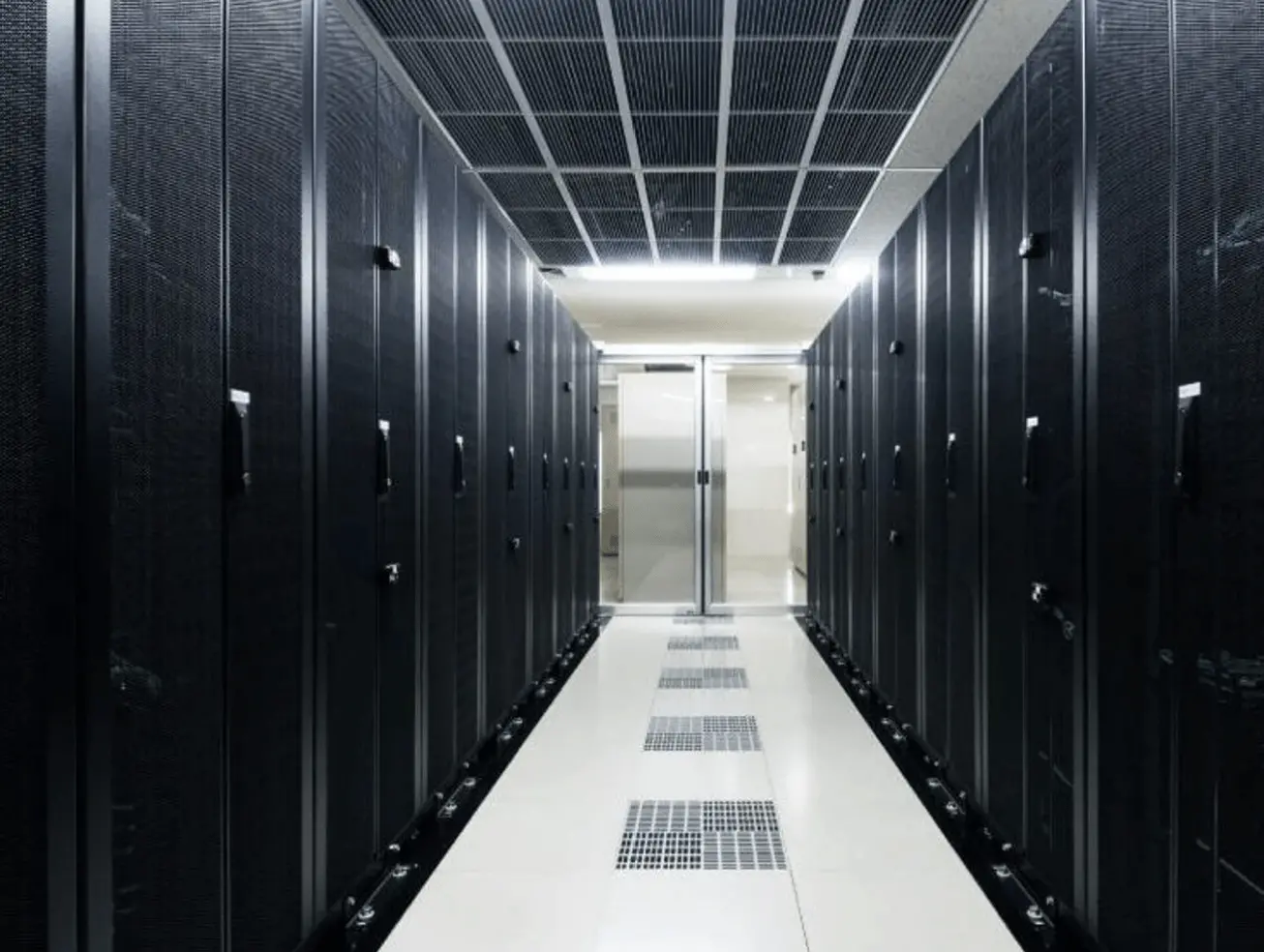
The scope is defined by capacity threshold. Mandatory reporting and labelling obligations apply to operators of data centers with an installed IT power demand of at least 500 kW. The latest draft also opens voluntary participation for smaller facilities (under 500 kW) and for data centers at design or construction stage. This means project developers can begin accumulating compliance records before a facility goes live — a mechanism that favors modular and prefabricated deployments, where design-stage specifications are finalized in the factory rather than on site.
The label itself is graded A to G across two core metrics: Power Usage Effectiveness (PUE) and Water Usage Effectiveness (WUE). Additional indicators include energy sourcing, contribution to new energy asset capacity, grid flexibility, and waste heat reuse readiness. The label will be generated automatically by the European database at the end of each annual reporting cycle.
For data center operators serving European markets, the practical implications extend beyond disclosure. The label is expected to be used for access to green and sustainable finance, public sector procurement decisions, and sustainability assessments under the forthcoming Cloud and AI Development Act. Regulatory compliance and sustainability credentials are increasingly central to data center valuations and investment decisions across Europe. A facility that cannot demonstrate a competitive PUE and WUE rating may face higher financing costs or exclusion from certain procurement frameworks.
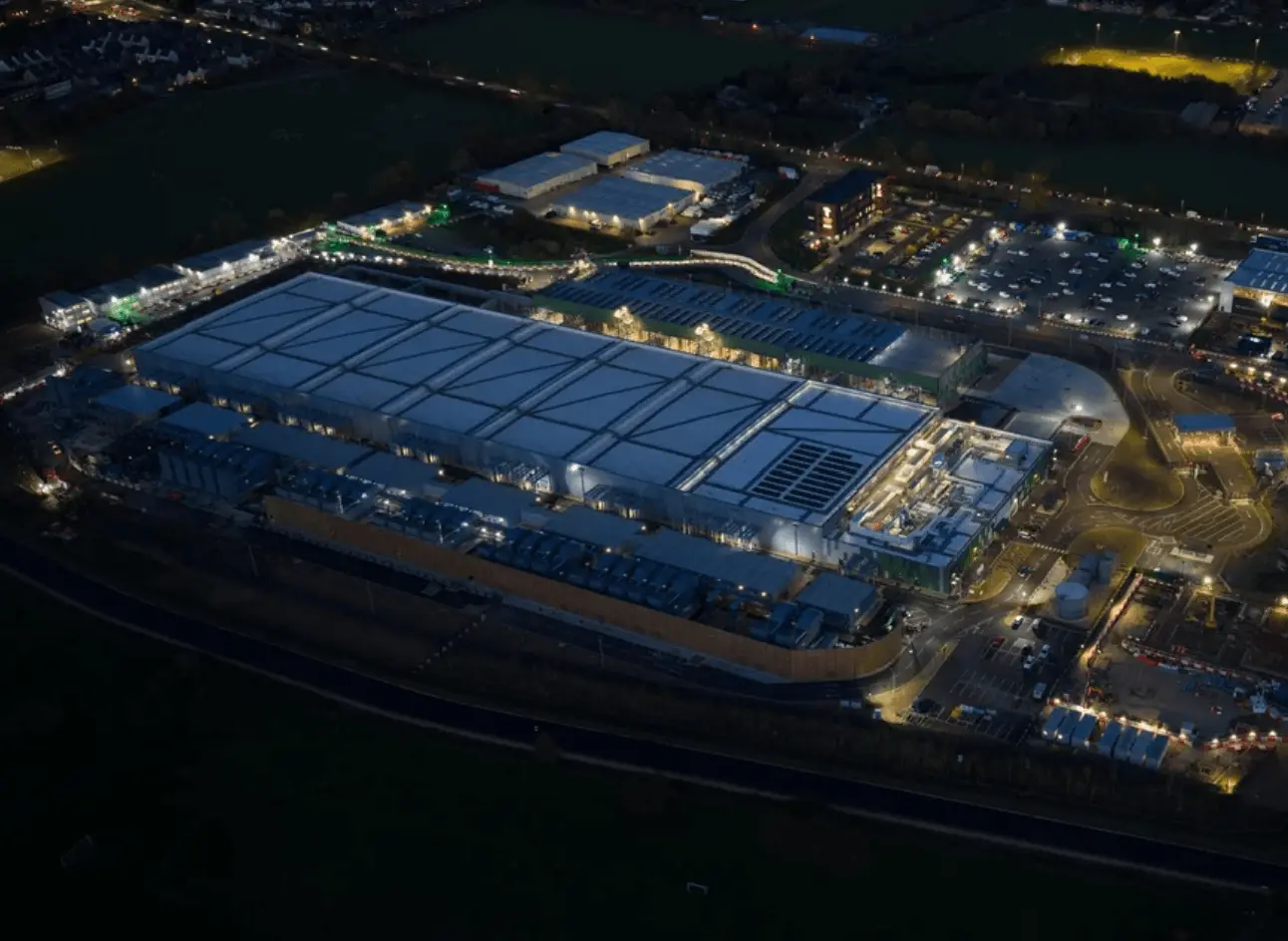
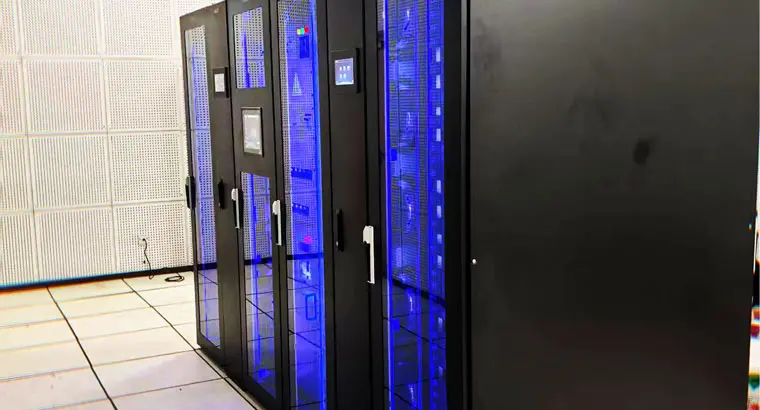
This regulatory shift creates a structural advantage for containerized and modular data center architectures. PUE and WUE performance is largely determined by cooling design and power distribution efficiency — both of which are better controlled in a factory-prefabricated environment than in a conventional site-built facility. A modular deployment with integrated liquid cooling and optimized airflow management can target PUE values well below the thresholds that legacy air-cooled facilities struggle to meet. For operators planning capacity in Europe, the compliance question is no longer whether to prioritize efficiency, but whether the chosen deployment model can deliver it at the design stage — and the design stage is exactly where modular construction has its strongest control.