
 English
The global containerized data center market is expanding at a pace that outpaces most infrastructure categories. The market is projected to grow from $16.29 billion in 2025 to $19.83 billion in 2026, representing a compound annual growth rate of 21.7%. By 2030, the market is expected to reach $43.26 billion, maintaining a CAGR of 21.5%.
The growth drivers are structural rather than cyclical. Demand for temporary data center capacity, expansion of cloud services, and the need for scalable IT infrastructure among large enterprises and telecom operators have been consistent contributors. But the forecast period is adding new demand vectors: increasing adoption of edge computing, growth in SMEs requiring portable data centers, integration with AI and big data analytics, and demand for high-density modular containers.
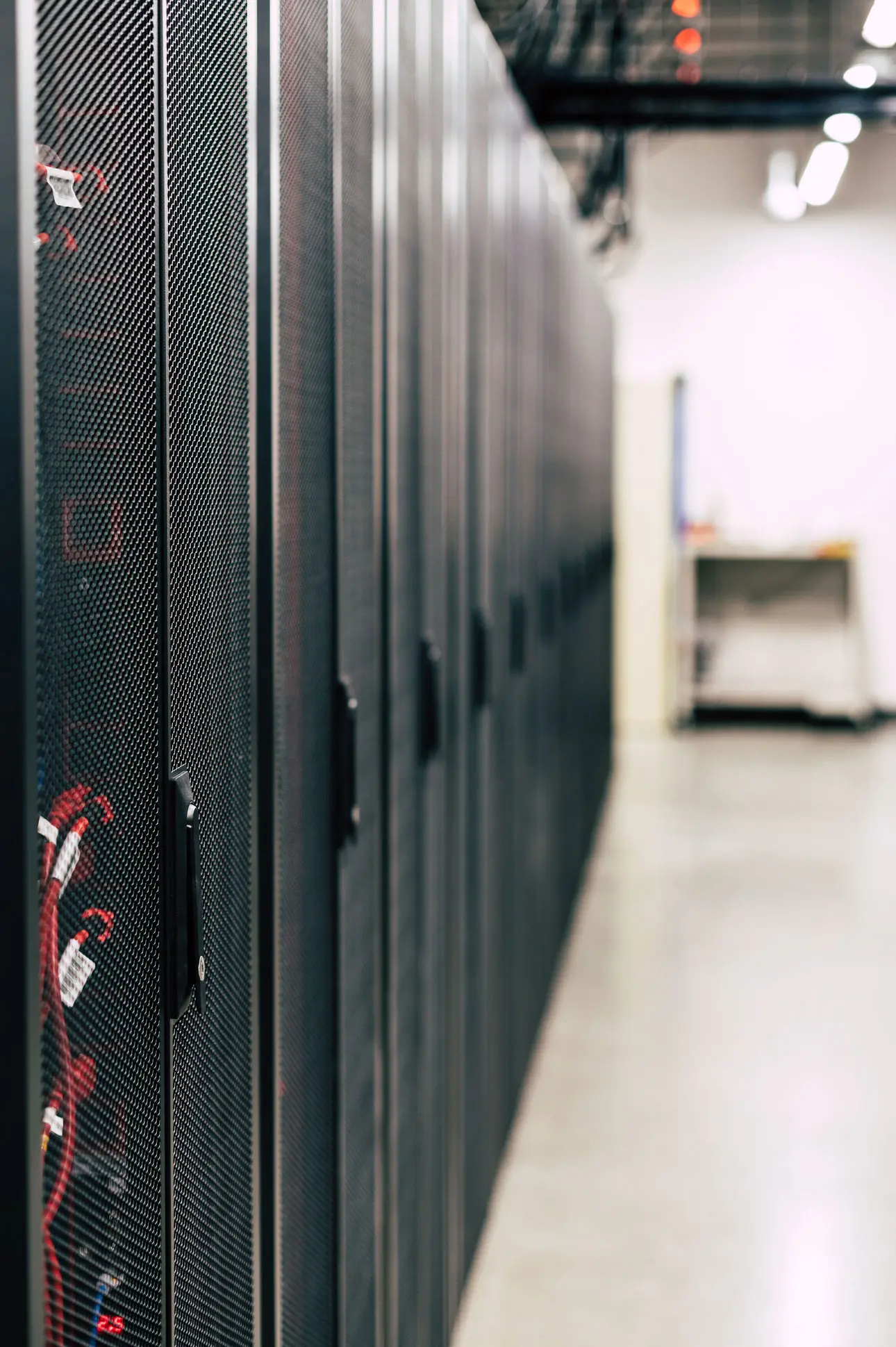
Edge computing is emerging as a particularly significant growth channel. The global edge data center market — which includes containerized, modular, and micro data center segments — is estimated at $46.86 billion in 2026 and expected to reach $157.42 billion by 2033, growing at 18.9% CAGR. Edge facilities are designed to process data at or near the point of consumption, reducing latency and bandwidth costs for applications including IoT, autonomous vehicles, and 5G-enabled industrial automation. Containerized data centers are a natural fit for this distributed architecture: they can be manufactured in a controlled environment, shipped to a site with minimal preparation, and brought online in days rather than months.
Product innovation is accelerating alongside market growth. Mitsubishi Heavy Industries launched a 40kVA-class 12ft container-type data center in 2023 equipped with an immersion/air-cooled hybrid system, integrating immersion, air, and water cooling methods to serve different server applications. This hybrid approach reflects a broader industry trend: the container is no longer a simple enclosure but an integrated thermal and power delivery unit.
The competitive landscape remains fragmented, which means the window for differentiation is still open. But the technical bar is rising. As AI workloads push rack densities beyond 20 kW and toward 40 kW and higher, containerized solutions that cannot integrate liquid cooling and high-density power distribution will be confined to lower-value edge and temporary deployment niches. The vendors that capture the AI-adjacent container market will be those that can deliver factory-integrated liquid cooling, proven PUE performance, and rapid deployment at scale. For buyers evaluating suppliers, the relevant question is not whether containerized data centers are growing — the market data answers that — but whether a given supplier's product architecture can support the density and efficiency requirements of the next three years of AI infrastructure buildout.